
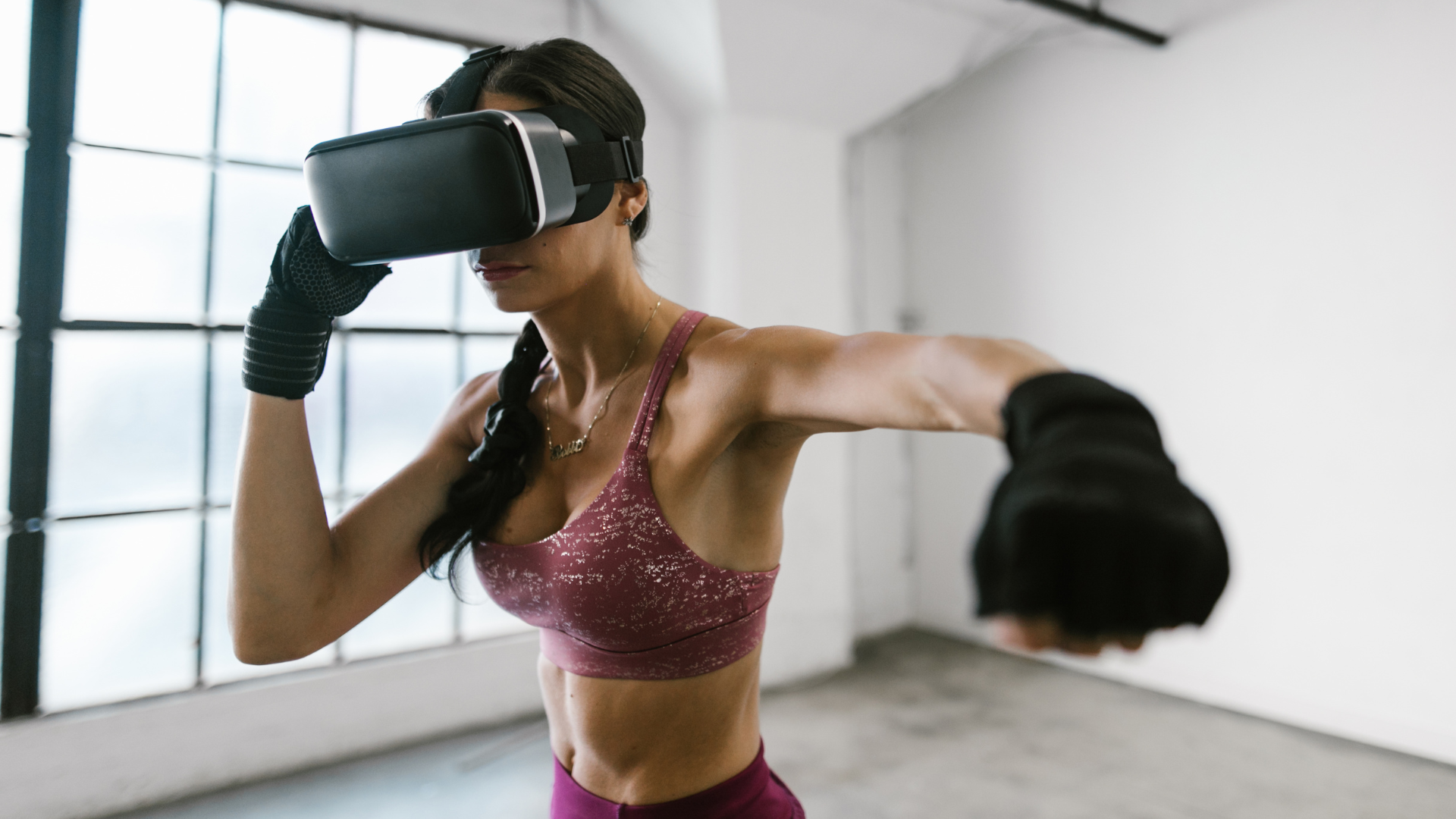
Fitness gaming has emerged as a significant trend, transforming traditional workouts into dynamic and engaging experiences. By incorporating elements of play, exergaming not only enhances the workout experience but also motivates users to stay active and maintain their fitness goals. This innovative approach makes exercising more appealing, allowing individuals to enjoy their workouts rather than seeing them as a chore.
As technology continues to advance, fitness gaming offers varied experiences that can cater to diverse interests and skill levels. From virtual reality environments to interactive video games, fitness enthusiasts can immerse themselves in unique challenges that promote both physical activity and mental engagement. This integration of gaming elements significantly boosts motivation and fosters a sense of community among participants.
Moreover, fitness gaming leverages competition, rewards, and progress tracking, making workouts not just about physical improvement but also about achieving personal milestones. This combination of fun and fitness encourages sustained participation, helping individuals develop lasting habits. The shift towards fitness gaming thus represents a vital evolution in how people engage with their health and well-being.
The Rise of Fitness Gaming
Fitness gaming has emerged as a prominent trend, transforming traditional workout routines into engaging experiences. This phenomenon combines exercise with elements of gaming, leveraging technology to enhance motivation and enjoyment.
Understanding Exergaming
Exergaming blends physical activity with video gaming. Players engage in workouts through innovative gaming technology, often requiring full-body movement. Popular platforms include Nintendo Wii Fit and mobile apps like Zombies, and Run! These games use gamification strategies to promote fitness by rewarding players with points or achievements for completing physical activities.
Incorporating augmented reality (AR) and virtual reality (VR) has further revolutionised the exergaming landscape. These technologies create immersive environments, making workouts feel like adventures. As participants move, they interact with virtual elements, increasing both the fun and effectiveness of their exercise routines.
The Growth of Gamified Fitness Solutions
The rise of gamified fitness solutions has been notable in recent years. Numerous apps and programmes combine exercises with game mechanics, encouraging users to meet fitness goals. Platforms like Peloton and the popular Ring Fit Adventure illustrate this trend effectively.
Statistics indicate that gamified fitness can enhance user adherence to exercise regimens. A study found that participants using fitness games showed greater commitment compared to those following traditional workouts. The interactive nature of these programmes fosters a sense of community, motivating individuals to stay active together.
Fitness Gaming Versus Traditional Workouts
Fitness gaming offers distinct advantages over traditional workouts. For many, the engaging elements of gaming make exercise feel less like a chore and more like an enjoyable activity. This shift in mindset can lead to longer workout durations and improved overall fitness levels.
In contrast, traditional workouts may lack the immediate rewards and entertainment provided by fitness games. While effective, they often rely on self-discipline and set routines. Fitness gaming captures interest through creative scenarios and scenarios, making the fitness landscape more dynamic.
Incorporating fitness gaming into regular exercises may complement traditional methods, fostering a more holistic approach to health and fitness.
How Fitness Games Enhance Motivation
Fitness games actively enhance motivation through various mechanisms, including competition, community, and reward systems. By leveraging these elements, players often find a more engaging approach to workout routines, which can lead to improved commitment and habit formation.
The Role of Competition and Community
Competition can be a powerful motivator. Fitness games often incorporate leaderboards where participants can compare scores, fostering a sense of rivalry. This competitive spirit encourages individuals to push their limits, striving to improve their rankings.
Community features also play a crucial role. Players can join groups or teams, providing support and accountability. Engaging with others creates camaraderie and enhances motivation, as individuals share achievements and challenge one another to stay active. The social dynamics involved can transform solitary workouts into a collective experience.
Rewards, Points, and Achievements
Gamification elements such as rewards, points, and achievements significantly boost motivation. Many fitness games assign points for completing exercises or reaching milestones. These points often lead to unlockable content or in-game rewards, making workouts feel more fulfilling.
Achievements serve as recognition of the progress made. When players unlock badges or certificates for hitting specific goals, it reinforces a sense of accomplishment. This positive reinforcement is vital for maintaining motivation, as individuals are more likely to continue exercising when they see tangible outcomes from their efforts.
Setting and Achieving Fitness Goals
Fitness games encourage users to set and track personal fitness goals. By allowing the customisation of targets, players can choose specific challenges that resonate with their interests and capabilities. This clarity in objective promotes a focused approach to workouts.
The process of achieving these goals is often celebrated within the game. Progress tracking, visual graphs, and regular feedback help individuals maintain momentum. As players reach their milestones, they experience increased motivation to set and pursue new challenges, fostering a cycle of habitual exercise and continuous improvement.
Features of Engaging Fitness Games
Engaging fitness games incorporate various features that elevate workout experiences. Key components include immersive technologies, effective tracking mechanisms, and opportunities for social interaction, all designed to enhance motivation and enjoyment.
Immersive Technologies: AR and VR
Augmented reality (AR) and virtual reality (VR) play significant roles in creating engaging fitness experiences. These technologies transport users into virtual environments, making workouts feel like plays rather than chores.
With AR, participants can interact with their real-world surroundings, overlaying digital elements that enhance gameplay. For instance, a fitness game may project targets or paths onto the user’s environment, offering unique challenges.
VR, on the other hand, completely immerses individuals in an alternate world. Games like Beat Saber require players to physically move to music while smashing blocks, significantly increasing cardiovascular engagement.
These immersive experiences often lead to enhanced focus and a greater sense of presence, encouraging individuals to push their limits during workouts.
Tracking and Feedback Mechanisms
Progress tracking is crucial in fitness gaming, providing users with insights into their performance. Real-time data, such as heart rate, calories burned, and workout duration, can be crucial motivators.
Instant feedback during gameplay allows players to adjust their effort levels and techniques. For example, a game may provide auditory or visual cues, rewarding users for achieving specific milestones or correcting form.
Wearable devices often complement fitness games by monitoring vital statistics and syncing data seamlessly. These features not only keep users informed but also create a sense of accountability.
Additionally, leaderboards and achievement systems foster competition, motivating players to improve and stay engaged with their fitness journeys.
Social and Interactive Elements
Social interaction is a vital aspect of engaging in fitness games, as it fosters a sense of community. Players can team up or compete against others, adding layers of motivation to their workouts.
Multiplayer modes often encourage collaboration, allowing friends to join challenges or embark on fitness quests together. Such interaction can transform solitary workouts into shared experiences, making exercise more enjoyable.
Gamified workouts incorporate rewards for participation, further enhancing user engagement. Achievements, badges, and progress sharing on social platforms create enticing incentives for continued participation.
Overall, these social aspects not only make workouts feel less daunting but also establish support networks that keep players committed to their fitness goals.
Accessibility and Inclusivity in Fitness Gaming
Fitness gaming fosters accessibility and inclusivity, allowing a broader audience to engage in physical activity regardless of age or fitness level. Various initiatives and trends enhance the appeal of fitness gaming for diverse populations.
Fitness for Different Age Groups and Levels
Fitness gaming incorporates a range of activities suitable for various age groups and fitness levels. From children to seniors, there are tailored programmes that engage participants accordingly. Gamified fitness apps often include difficulty settings that adapt to individual abilities, ensuring an inclusive experience.
For instance, apps may offer options for low-impact workouts aimed at older adults while providing high-intensity challenges for younger users. This adaptability encourages users to progress at their own pace. Games designed with instructional content help beginners learn exercises safely, fostering confidence and motivation.
Home Workouts and Corporate Wellness
Home workouts have become increasingly popular, particularly with the rise in gamified fitness options. Individuals can engage in workouts from the comfort of their homes, eliminating barriers related to gym access and fitness facility availability.
Corporate wellness programmes have also embraced fitness gaming. Companies that implement these solutions encourage employees to join in collective activities, leading to improved morale and team bonding. Many gamified platforms track progress and reward participation, promoting a culture of health and well-being in the workplace.
Emerging Trends in Gamified Fitness Apps
Emerging trends in gamified fitness apps showcase advancements in accessibility. Many apps now offer multi-language support, adaptive technologies, and tailored experiences for individuals with disabilities. This focus on inclusivity ensures that users from various backgrounds can access fitness resources.
Social integration within apps encourages community engagement, making workouts more appealing. Competitions, leaderboards, and challenges create a sense of camaraderie among users, enhancing motivation. By leveraging technology, these platforms continue to innovate, providing increasingly accessible and engaging fitness solutions for all.