
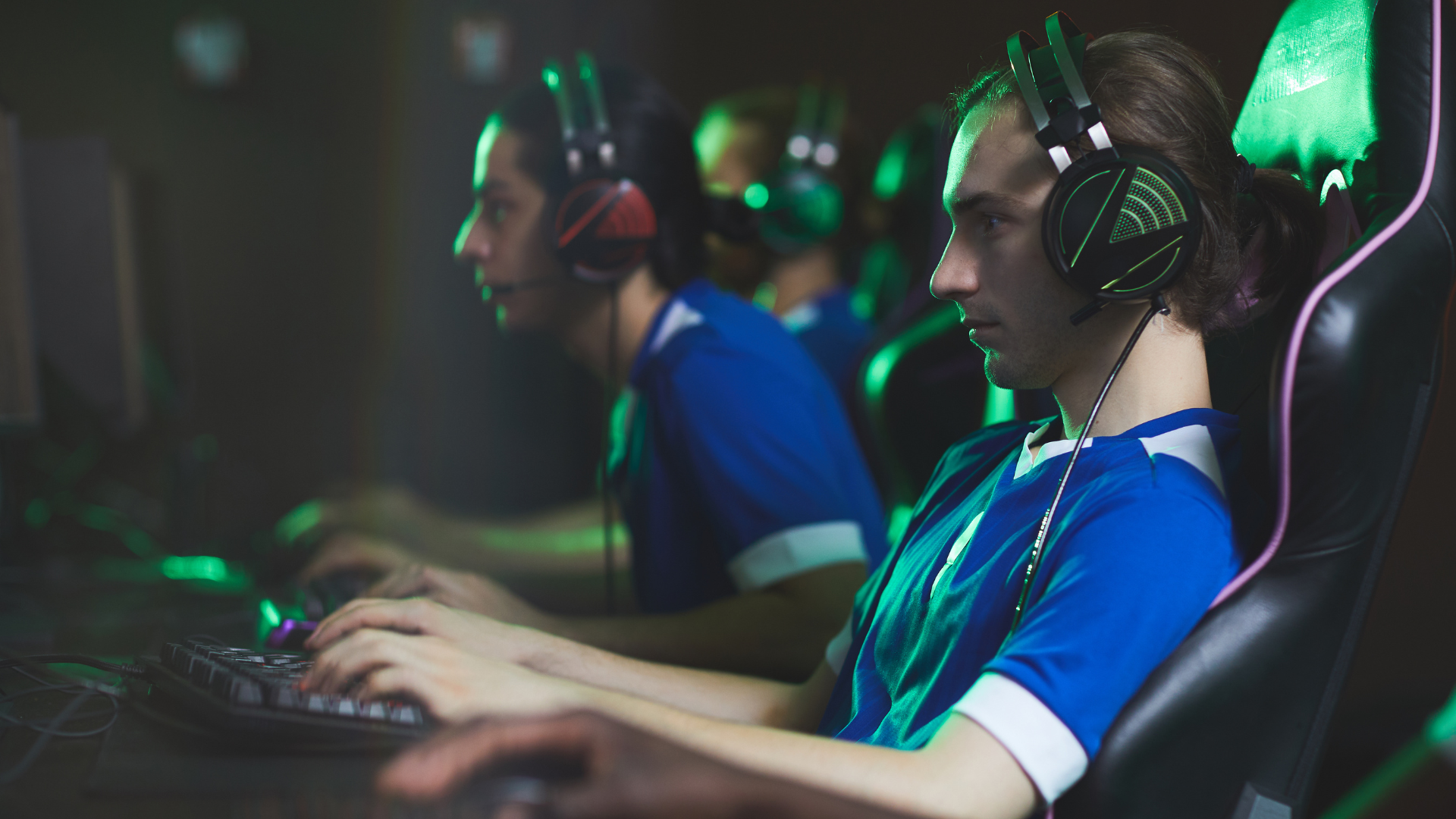
As the gaming industry evolves, NFTs are emerging as a significant force, redefining how players interact with digital assets. The integration of non-fungible tokens (NFTs) into gaming allows for true digital ownership, giving players the ability to buy, sell, and trade unique in-game items securely on the blockchain. This shift not only enhances player engagement but also introduces new economic models within gaming ecosystems.
Blockchain technology underpins this transformation, providing transparency and security that traditional gaming platforms lack. With NFTs, players can possess unique characters, skins, and other digital assets that hold inherent value, thereby altering the landscape of how games are monetised. Developers are increasingly adopting these technologies to create immersive experiences that resonate with players, making digital ownership an integral part of the gaming experience.
As the intersection of NFTs and gaming expands, it opens the door for innovative gameplay and investment opportunities. Players and developers alike are recognising the potential benefits, leading to a surge of interest in how these digital assets can reshape the future of gaming.
Evolution of NFTs in the Gaming Sector
The integration of NFTs in gaming has significantly transformed how ownership and value are perceived in virtual environments. Key developments range from early experiments to current trends, illustrating both the challenges and potential of blockchain technology in interactive entertainment.
Early Developments and Milestone Games
The journey of NFTs in gaming began with projects like CryptoKitties, which introduced players to the concept of owning unique digital assets on the blockchain. Game developers started experimenting with the idea of scarcity, allowing players to buy, sell, and breed virtual cats. This paved the way for more complex games to utilise blockchain.
Axie Infinity marked a significant milestone by combining NFTs with gameplay mechanics, enabling players to earn while playing. Players can buy, sell, and trade Axies, which are unique creatures represented by NFTs. This model attracted a dedicated player base and became a noteworthy example of play-to-earn gaming.
Current Trends and Popular NFT Games
Currently, the gaming sector is witnessing an explosion of NFT-based titles. The Sandbox and Gods Unchained are popular examples, focusing on user-generated content and strategic gameplay, respectively. The Sandbox allows players to create and monetise their own experiences in a virtual world, while Gods Unchained leverages blockchain to authenticate unique cards in a trading card game format.
Players today are more willing to invest in blockchain-based games for the potential return on investment through trading assets. Collectable items, avatars, and in-game real estate are popular, reflecting a growing trend towards asset ownership.
Projected Future and Emerging Technologies
Looking ahead, blockchain technology is expected to evolve, bringing new possibilities to the gaming landscape. Advances in scalability and interoperability may facilitate smoother interactions between different games and platforms.
Emerging technologies like decentralised finance (DeFi) could further enhance the play-to-earn model, offering players more ways to leverage their assets. As developers continue to explore these opportunities, the potential for NFTs in gaming remains expansive, promising to shape the future of interactive entertainment in significant ways.
Technological Foundations of Gaming NFTs
The integration of NFTs into gaming relies on several technological elements that facilitate creation, management, and interaction within virtual environments. Key aspects include smart contracts, scalability solutions, and standards for interoperability.
Smart Contracts and Interaction with Gaming
Smart contracts are self-executing contracts with the terms directly written into code. In gaming, they enable the seamless creation and ownership transfer of NFTs on blockchain networks like Ethereum. Each NFT’s provenance and authenticity can be confirmed, ensuring players possess unique, verifiable digital assets.
This technology permits in-game items to be traded freely on secondary markets, enhancing player engagement. Smart contracts automate significant processes, from transactions to enabling complex interactions between different NFTs within a game ecosystem.
Scalability and Environmental Concerns
Scalability is critical for supporting large numbers of transactions typical in gaming. Many blockchain games operate on protocols with high transaction volumes, necessitating efficient solutions to maintain performance.
Proof-of-Stake (PoS) systems are emerging as alternatives to traditional Proof-of-Work (PoW) blockchains, offering improved scalability and reduced environmental impact. PoS reduces energy consumption, addressing concerns regarding the carbon footprint of blockchain gaming and helping to create a more sustainable future for NFT integration.
NFT Standards and Interoperability Issues
NFT standards such as ERC-721 and ERC-1155 define how NFTs are created and managed on the blockchain. These specifications ensure that assets are compatible across different platforms and games. However, interoperability remains a challenge, making it difficult for NFTs to move fluidly between different games or ecosystems.
For example, an NFT obtained in one game might not be usable in another unless both developers support the same standards. Addressing interoperability is vital for enhancing the utility of NFTs, and fostering a richer experience for players across various gaming environments.
Economic Impact and Monetisation Strategies
The integration of NFTs into gaming creates new frameworks for in-game economies and revenue generation. It reshapes traditional monetisation methods while presenting unique challenges for players and developers alike.
In-Game Economies and Ownership
NFTs introduce true ownership of digital assets within games. Players can directly buy, sell, or trade in-game items on secondary markets. This system supports a Play-to-Earn model, allowing players to earn real-world value from their gameplay.
Consequently, in-game economies become more complex. Players are motivated to invest time and resources, thus increasing engagement. Furthermore, these economies can fluctuate based on rarity and demand, making market knowledge essential to players aiming to optimise their investments.
New Revenue Streams for Developers and Players
Developers can diversify their income through NFT sales and transaction fees on secondary markets. This stands in contrast to traditional models reliant on microtransactions and up-front purchases. By implementing innovative monetisation strategies, they can create NFTs linked to expansions, exclusive content, or unique in-game assets.
For players, NFTs often translate into potential earnings. As they invest in digital assets, players can sell or trade items for profit, thus amplifying their gaming experience. This financial incentive appeals to a wider audience, enhancing player retention and community building.
Market Volatility and Ethical Considerations
The market for NFT-based assets can be volatile. Prices fluctuate based on speculation, rarity, and demand, which can lead to market manipulation. This volatility poses risks for players, especially those new to the ecosystem.
Ethical practices in this space are also under scrutiny. Concerns arise over transparency, especially regarding the environmental impact of blockchain technologies and the potential for exploitation within Play-to-Earn structures. Developers face the challenge of maintaining integrity while providing engaging experiences, ensuring that both creators and players benefit fairly from the digital landscape.
Community and Player Engagement with NFTs
The integration of NFTs into gaming fundamentally reshapes community dynamics and enhances player engagement. These digital assets facilitate unique interactions, connecting players in novel ways while fostering a sense of ownership and investment in the gaming experience. Here are key aspects of how NFTs influence community and player engagement.
Building Communities through Digital Collectibles
Digital collectables in the form of NFTs help forge strong communities around games. Players can showcase their unique assets, such as skins or virtual properties, within platforms like Decentraland. This not only enhances a player’s identity but also promotes interaction among users.
Additionally, developers can organise events that leverage NFT ownership, such as exclusive tournaments or meet-ups. This creates shared experiences and opportunities for collaboration. Gamers often congregate in virtual worlds, leading to networking and social interaction based on shared interests, further solidifying community bonds.
Influence of NFTs on User Engagement Metrics
NFTs can significantly boost user engagement metrics in gaming environments. By incorporating tradeable assets, players are more likely to invest time and resources into the game. This creates a loop where engaged players generate content and contribute to the game economy.
Research indicates that games utilising NFTs often experience increased daily active users (DAUs) and retention rates. As players engage with both the gameplay and the NFT marketplace, they feel a stronger connection to the game. Metrics such as user-generated content and social interactions grow, resulting in a more vibrant and active community.
Augmented and Virtual Reality Integrations
The application of NFTs within augmented reality (AR) and virtual reality (VR) is an emerging trend. By integrating NFTs into these experiences, developers enable players to interact with digital collectables in immersive environments. For instance, games that incorporate Ubisoft Quartz allow players to explore and interact with NFTs in realistic settings.
These integrations not only enhance gameplay but also encourage community interaction. Players can showcase their NFTs in shared virtual spaces, leading to richer experiences. The use of AR and VR in conjunction with NFTs can attract diverse audiences, augmenting engagement and fostering dynamic community building.