
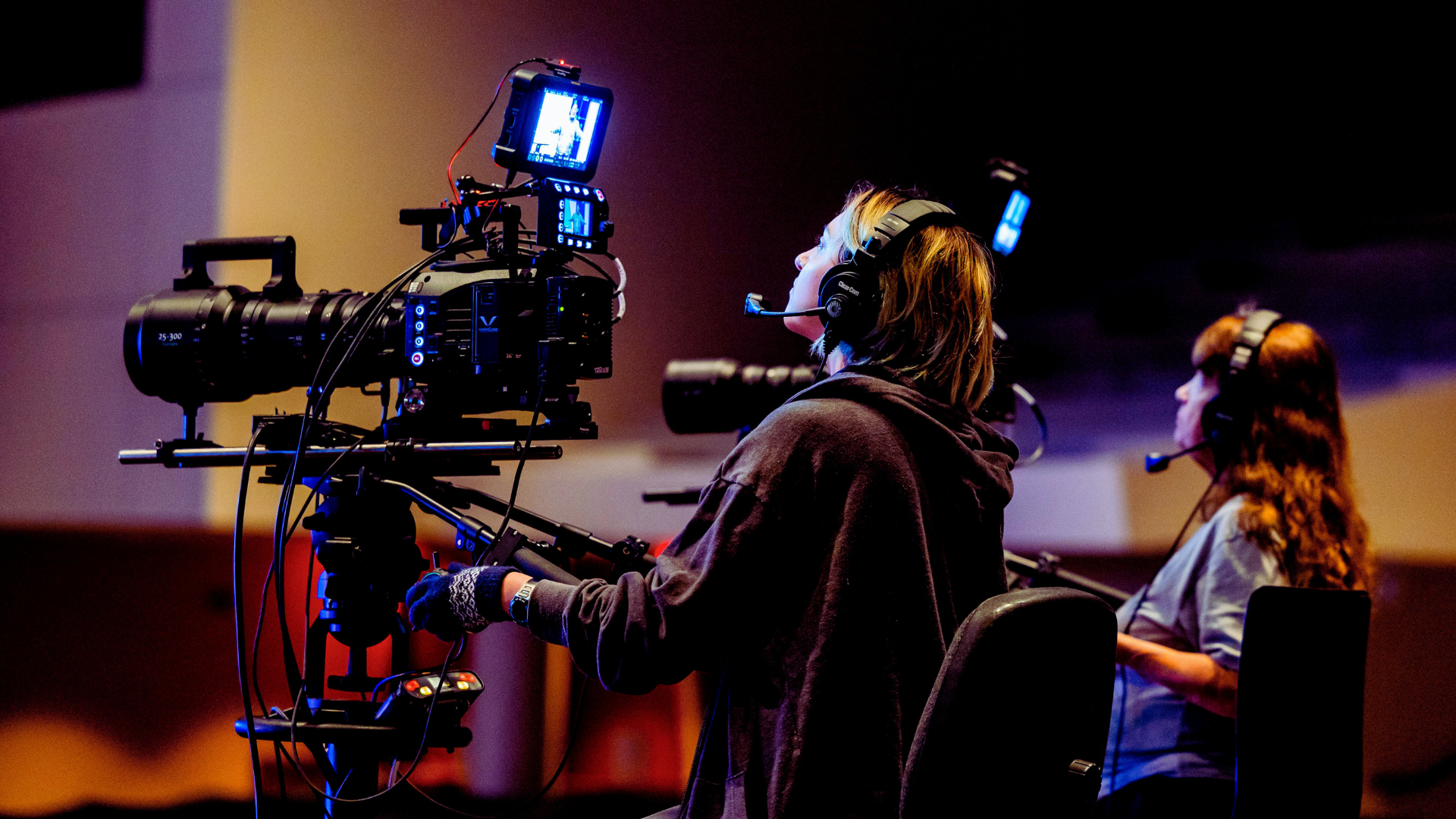
Technology has reshaped film production by streamlining workflows and enabling creative possibilities that were once impossible. From digital cameras to virtual sets, modern tools allow filmmakers to work faster and with greater precision.
The integration of advanced software, high-resolution imaging, and real-time visual effects has fundamentally transformed how films are made, reducing costs and expanding artistic freedom. These innovations have also made it easier to collaborate across distances and experiment with new storytelling techniques.
As technology evolves, production teams can create more immersive experiences and tackle complex projects with increased efficiency. This shift is changing both the art and business of filmmaking in significant ways.
Core Technological Advancements in Film Production
Modern film production increasingly relies on advances in image capture, visual effects, and sound design to enhance storytelling. These technological innovations improve both the quality and efficiency of filmmaking.
Digital Cameras and High-Resolution Formats
Digital cameras have replaced traditional film cameras, offering greater flexibility and cost efficiency. Key formats include 4K resolution and increasingly 8K resolution, which provide sharper images and allow for more detailed post-production work.
High-definition cameras integrate features such as image stabilisation and advanced lighting controls, enabling filmmakers to shoot in diverse conditions with consistent quality.
These cameras often support multiple formats, making them compatible with various distribution platforms. This adaptability streamlines production workflows and meets modern audience expectations for visual clarity.
Visual and Special Effects Technologies
Visual effects (VFX) and special effects (SFX) have transformed storytelling by bringing complex scenes to life without physical sets. Computer-generated imagery (CGI) plays a central role, allowing for realistic environments and characters that would be impossible to create otherwise.
Modern software enables detailed manipulation of images and elements, enhancing the realism and immersion of scenes. Techniques such as motion capture and real-time rendering have reduced production times.
Special effects still complement CGI, especially for practical elements like explosions or weather simulations, balancing digital and physical creativity.
Digital Audio Innovations
Sound design has benefited significantly from digital tools like Pro Tools, which streamline editing and mixing. Films now routinely use advanced sound systems such as Dolby Atmos to create immersive, multidirectional audio experiences.
Surround sound is standard, improving the audience’s connection to the scene through precise audio positioning. These technologies ensure dialogue clarity and rich ambient sounds.
Digital audio production also allows for extensive post-production work, including noise reduction and effects layering, enhancing the overall film quality without reshoot demands.
Transforming the Filmmaking Process through Digital Tools
Digital tools have reshaped each phase of film production, reducing costs and enhancing precision. They streamline planning, improve collaboration across distances, and offer powerful options for editing and colour correction.
Pre-Production Planning and Software
Pre-production now relies heavily on software like Final Draft for scriptwriting and Celtx for storyboarding and shot lists. These tools enable precise scheduling and budget management, essential for controlling production costs.
Digital planning platforms assist in visualising scenes before filming starts, reducing errors on set. They also improve communication among crew members by providing a central space for updates and revisions.
Independent filmmakers benefit most, since these tools lower the barrier to entry and make complex projects more manageable.
Collaboration and Remote Filmmaking
Cloud-based platforms have enabled filmmakers to collaborate regardless of location. Teams can share scripts, footage, and notes in real time, speeding up decision-making.
Remote filmmaking allows directors, editors, and producers to work simultaneously without physical presence. This flexibility helps reduce travel expenses and production timelines.
Tools like Frame.io integrate with popular software to facilitate feedback and approvals. As a result, workflows become more efficient even across multiple time zones.
Post-Production Editing and Colour Correction
Post-production is dominated by advanced software such as Adobe Premiere Pro and DaVinci Resolve. These programs offer robust editing tools and industry-standard colour correction capabilities.
Colour grading is critical for setting the mood and visual storytelling. DaVinci Resolve provides precision control over colour matching and correction, helping maintain consistency across scenes.
The integration of editing and colour tools within one platform improves productivity and quality control, especially important for independent projects with tighter budgets.
Emerging Technologies and the Future of Film
Advancements in technology are reshaping film production by enhancing creative processes and expanding storytelling methods. New tools are enabling filmmakers to automate tasks, create immersive experiences, and merge narrative forms across different media.
Artificial Intelligence and Machine Learning Applications
Artificial intelligence (AI) and machine learning are streamlining numerous stages of film production. Tools like ChatGPT assist with scriptwriting and dialogue generation, reducing time spent on initial drafts. AI-driven editing software can analyse footage to suggest cuts, improving post-production efficiency.
Machine learning algorithms also enhance visual effects by automating tasks such as rotoscoping and colour grading. Studios use AI for predictive analytics, estimating audience preferences to guide marketing and distribution strategies. These applications reduce costs and speed production without sacrificing quality.
Virtual Reality and Augmented Reality Experiences
Virtual reality (VR) and augmented reality (AR) introduce new dimensions to storytelling. Filmmakers create immersive environments that place viewers inside the narrative, allowing interactive exploration of scenes. This technology is used in promotional materials and experimental films to deepen engagement.
AR overlays digital content onto physical settings, enriching live film sets or post-production. VR and AR tools also assist directors and cinematographers in visualising complex shots before filming, saving time and resources during principal photography.
Integration with Video Games and Interactive Media
Film production is increasingly intersecting with video games and interactive media. Utilising game engines like Unreal Engine, filmmakers can build detailed virtual sets and perform real-time rendering, accelerating visual effects workflows.
Interactive storytelling blends cinematic narratives with user-controlled outcomes, creating hybrid forms of entertainment. This integration leverages technology from video games for complex character behaviours and environment simulations, enriching the audience experience and opening new revenue opportunities for producers.
Distribution, Accessibility, and Industry Impact
Technology has reshaped how films reach audiences, who creates them, and how success is measured. These changes influence platform strategies, empower independent creators, and affect traditional box office revenue and viewer interaction.
Streaming Platforms and New Distribution Models
Streaming platforms like Amazon Prime Video have become major distributors, eliminating the need for traditional cinema releases. Films are now available globally on demand, expanding accessibility to diverse audiences.
Subscription and transactional video-on-demand (SVOD, TVOD) models offer different revenue streams. Studios and independents use these to reach viewers directly, bypassing middlemen.
Algorithms on platforms promote personalised content, changing how films gain visibility. This has created competition not just among studios but between films for screen time on digital services.
The Evolving Role of Independent Filmmakers
Technology has lowered barriers for independent filmmakers by providing affordable equipment and software for editing, visual effects, and sound.
Online platforms allow independents to distribute without traditional studio backing. Filmmakers can launch campaigns on Amazon or platforms like Vimeo On Demand.
Social media grants independents direct audience engagement, crucial for funding and promotion. Crowdfunding and targeted advertising have become key tools for production and release strategies.
Box Office Sales and Audience Engagement
Box office sales remain a significant metric, but their role has diminished with streaming growth. Theatres still attract viewers but face challenges in competing with at-home accessibility.
Data analytics from streaming platforms offer new insights into viewing habits and demographics, influencing marketing and production decisions.
Hybrid release strategies combine limited theatrical runs with simultaneous digital availability. This affects revenue models and shifts how audience engagement is measured across media.